I order often! Today decided to go in person! Even more delicious. It’s just perfect manty ochen vkusno! Plov tozhe super! Vse super! Medovik fantastic, but wish it was a little colder. The staff is lovely.
Overview
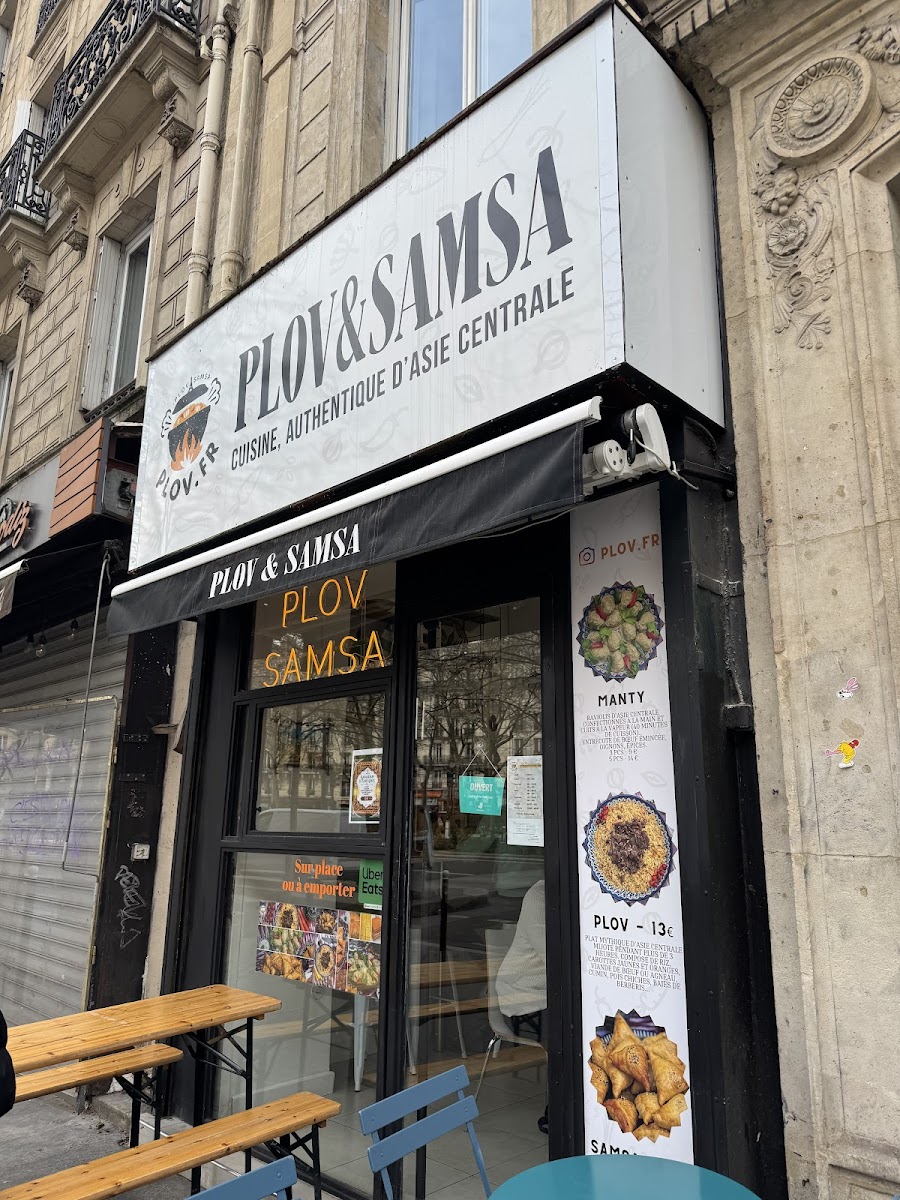
If you’re wandering through the buzzing streets of Oberkampf and suddenly crave something hearty, fragrant, and deeply rooted in tradition, Plov.fr - Cuisine Authentique D’Asie Centrale Oberkampf at 46 Bd Voltaire, 75011 Paris, France is the kind of place that pulls you in with its aroma alone. I first stepped inside on a chilly evening after a friend-who spent several months traveling across Uzbekistan-insisted this was the closest thing to the real deal in Paris. After several visits and long conversations with the staff, I can confidently say it’s more than just a restaurant; it’s a cultural gateway.
The star of the menu is, of course, plov. If you’re not familiar, plov is a rice-based dish considered the national treasure of Uzbekistan. In fact, UNESCO has recognized Uzbek plov as part of the Intangible Cultural Heritage of Humanity, which speaks volumes about its cultural importance. Here, the rice is slow-cooked with tender lamb, carrots sliced into delicate strips, chickpeas, and a gentle mix of spices. What impressed me most was the method: the chef explained they cook it in a large kazan, a traditional cast-iron cauldron that allows the rice to absorb flavors gradually without turning mushy. That detail matters. According to culinary researchers specializing in Central Asian cuisine, the kazan method ensures even heat distribution, which is essential for achieving the layered texture plov is known for.
On my second visit, I tried the manty-steamed dumplings filled with minced meat and onions. The dough was thin yet sturdy, holding the juices inside without becoming soggy. I’ve eaten similar dumplings in Almaty and Tashkent, and the flavor profile here felt remarkably accurate. The balance of cumin and black pepper was subtle, not overpowering. It’s clear that the kitchen respects tradition rather than adapting everything to local tastes. That authenticity shows up consistently in customer reviews, too. Many diners mention the rich flavors and generous portions, and I can confirm both.
The interior is simple but warm. Wooden tables, traditional patterns on the walls, and soft lighting create a welcoming vibe. It doesn’t try to be trendy; instead, it feels grounded. You’ll hear Russian and Uzbek spoken at neighboring tables, which adds to the atmosphere. During one visit, I chatted with a family celebrating a birthday. They told me they drive across Paris just for the lagman-hand-pulled noodles served in a savory broth with vegetables and beef. After tasting it myself, I understood why. The broth is slow-simmered, likely for hours, judging by its depth. Food science studies show that extended simmering extracts collagen and complex flavor compounds from bones and meat, which explains that comforting, almost velvety mouthfeel.
The menu also includes fresh salads like achichuk, made with tomatoes, onions, and herbs, offering a bright contrast to the heavier dishes. For drinks, traditional teas are available, and they’re served properly-poured into small bowls, not cups. It’s a small detail, but it reinforces the restaurant’s commitment to tradition.
From a professional standpoint, I appreciate how clearly the dishes are described and how transparent the pricing is. The staff are happy to explain ingredients and cooking techniques, which builds trust. They don’t oversell or exaggerate; they simply let the food speak. The address on Boulevard Voltaire places it in a lively part of the 11th arrondissement, making it easy to combine dinner with a night out.
Of course, no place is perfect. Seating can feel tight during peak hours, and you might need a reservation on weekends. Still, that’s often a sign of a restaurant doing something right. The consistent quality, adherence to authentic preparation methods, and positive word-of-mouth have built a solid reputation in the neighborhood. If you’re exploring Paris and want to go beyond the usual bistros and brasseries, this spot offers a genuine taste of Central Asia without leaving the city.
Good to know
Service options
✓ Outdoor seating ✓ No-contact delivery ✓ Takeaway ✓ Dine-inHighlights
✓ Rooftop seatingPopular for
✓ Lunch ✓ Dinner ✓ Solo diningAccessibility
✓ Wheelchair-accessible entrance ✓ Wheelchair-accessible seating ✓ Wheelchair-accessible toiletOfferings
✓ Coffee ✓ Halal food ✓ Healthy options ✓ Small platesDining options
✓ Breakfast ✓ Lunch ✓ Dinner ✓ Catering ✓ Dessert ✓ Seating ✓ Table serviceAmenities
✓ Toilet ✓ Wi-Fi ✓ Wi-FiAtmosphere
✓ Casual ✓ CosyCrowd
✓ Family friendly ✓ LGBTQ+ friendly ✓ Tourists ✓ Transgender safe spacePlanning
✓ Accepts reservationsPayments
✓ Credit cards ✓ Debit cards ✓ Meal coupons ✓ NFC mobile payments ✓ Ticket Restaurant ✓ Credit cardsPets
✓ Dogs allowed ✓ Dogs allowed inside ✓ Dogs allowed outsidePhotos
1 / 4
Location
Reviews
- No ratings yet 494 reviews
Lovely place, delicious meal, very clean, friendly staff, great chef, good price Will definitely always come back to this lovely restaurant
Gooo and try! Amazing flavors, tiny place with only a few items on the menu and they are soooo good! I would say I loved plov the most, along with the salad (super tasty). Really friendly and fast service, recommend!
One of the best restaurants I've been to in Paris! Service and taste were impeccable, I cant wait to come back again. Truly
This restaurant is a gem in Paris. It serves excellent traditional plov and samsa, both prepared fresh daily using high-quality ingredients. I also recommend their manty and salads. Highly recommend, you will not regret it!
What a gem for Central Asian Cuisine (check their Instagram account plov.fr for more pictures)! Hearty food Plov:10/10 Giant plate (make sure you didn’t have breakfast before) with thin rice grains, yellow and orange carrots, raisins, stewed beef, some kind of pepper which is surprisingly sweet and some peas. Manty: 10/0 I love the meat juice that comes out of it, the beef is well cooked with the onions. The sauce with aneth is tasteful Samsa:9/10 Delicious as well, just stuff it with a bit more beef please Overall experience: I’ll definitely come back
The food tastes good and well seasoned. However, the place is a little bit small.